Professional Tree Care

Oak Processionary Moth in London: The Risk to Your…

For most of the year, the oak at the end of a London garden or lining the street outside asks nothing of anyone. Then, on a late spring afternoon, you notice them: caterpillars moving up the trunk in a long, orderly line, nose to tail, or a pale, silken nest the size of a tennis ball tucked against the bark. It looks curious rather than threatening, and the instinct to take a closer look, or to knock the nest down, is a natural one. With the oak processionary moth, it is also the one thing you must not do.

This is a pest that has made itself thoroughly at home in the capital, and it carries a double risk: it damages the oaks it feeds on, and the caterpillars themselves are a real hazard to the health of people and animals nearby. Neither problem is cause for alarm so much as for knowing exactly what you are looking at and what the correct response is. The good news is that there is a clear, well-established procedure to follow, and almost all of it comes down to leaving the caterpillars well alone and getting the right people involved.

A London Pest Since 2006

The oak processionary moth, Thaumetopoea processionea, is not native to Britain. It arrived in 2006 on a consignment of imported oak trees planted in west London, and from that single introduction it has spread until it is now established across most of Greater London and into several of the surrounding South East counties. The capital, with its great number of mature oaks in parks, streets and gardens, has proved ideal territory, and for many Londoners an oak tree now comes with the moth as an unwelcome lodger. Some of the capital’s best-loved oaks, in its royal parks, commons and leafy suburban streets, fall within the affected area, and the scale of the response is considerable, with surveyors tracing infested trees across the city each year and treatment directed where it is most needed.

Because the pest matters well beyond any one garden, its spread is managed at a national level. A programme led by the Forestry Commission, funded by the government, carries out annual surveillance and control and divides the country into management zones: an established area, where the moth is present and treated each year and which covers London and its fringes; a buffer zone around it, watched closely to catch any advance; and the rest of the country, which is officially designated free of the pest. The boundaries of those zones are reviewed and redrawn as new findings come in, and the moth is formally regulated as a quarantine pest, which means oak material cannot be moved around freely in affected areas without proper authorisation.

The one limit to its appetite is that it feeds almost entirely on oak. Other trees in the garden are safe, but where there is an oak, particularly an established one, it is worth knowing how to spot the signs.

How to Recognise It, and When

Timing is the first clue. The caterpillars hatch from small egg plaques on oak twigs at around April, and the period of greatest risk runs from May to July, when they are feeding and growing before turning into adult moths later in the summer. It is during these weeks that both the damage and the health hazard are at their height. The moths themselves emerge in mid to late summer, fly for a few weeks, and lay the eggs that overwinter as flat plaques on the upper branches, ready to begin the cycle again the following spring. Catching an infestation early, while the caterpillars are still young, gives much the best chance of dealing with it cleanly.

The behaviour that gives the moth its name is unmistakable once seen: the caterpillars move about the tree in long, nose-to-tail processions, often winding their way down the trunk in single file. Up close, each caterpillar has a dark head and a body covered in long white hairs. As they feed they build white, silken nests against the trunk and on the larger branches, typically dome or teardrop-shaped and around the size of a tennis ball. Fresh nests are bright white, but they soon weather to a dirty brown and may persist on the bark long after the caterpillars have gone. Crucially, all of this happens on oak: nests in other trees or shrubs are something else entirely.

What It Isn’t: Common Lookalikes

A good many reports turn out to be harmless insects that simply spin webbing, and knowing the difference saves needless worry. The most frequent false alarm is the small ermine moth, whose caterpillars drape whole branches in loose, gauzy webbing, but they do so on hawthorn, blackthorn, spindle and bird cherry rather than oak, and they neither march in processions nor carry irritating hairs. Other web-spinning and hairy caterpillars cause similar confusion. The reliable test combines three things: the tree must be an oak, the nest is a tight, felted dome pressed against the trunk or a main limb rather than a loose tent among the twigs, and the caterpillars travel in those distinctive head-to-tail lines. If any of those three is missing, it is very likely not the oak processionary moth, though a photograph sent to the experts will settle it.

Why It Matters, for Trees and for People

The threat to the tree is the more straightforward of the two. A large population of caterpillars can strip an oak of much of its foliage, and repeated defoliation weakens the tree, leaving it less able to cope with drought, disease and the other pressures of life in a city. A single bad year rarely kills an established oak, but sustained infestation takes a steady toll on its health and resilience. It is worth remembering how the moth reached Britain in the first place, on imported trees, because the same route still poses a risk; anyone planting a new oak is wise to source it from a reputable British nursery and to check it carefully for egg plaques and young caterpillars.

The risk to people and animals is what sets this pest apart from most. The long white hairs that cover the caterpillars, and that line the inside of their nests, contain a protein called thaumetopoein, and contact with them can cause itchy, painful skin rashes, irritation of the eyes and throat, and, less often, breathing difficulties or an allergic reaction. Dogs and other animals are affected in the same way. What makes the hazard so easy to underestimate is that you do not have to touch a caterpillar to be harmed: the tiny hairs are shed freely, blow about on the breeze, and linger in old nests and in the debris beneath an infested tree, so simply standing or gardening too close can be enough. That is why the advice from every authority is the same and admits no exceptions: do not touch or approach the caterpillars or their nests. Anyone who develops a rash, sore eyes or similar symptoms after being near an affected oak should see a pharmacist, call NHS 111 or a doctor if the reaction is severe, and consult a vet for a badly affected pet.

What to Do If You Find It

The first rule, worth repeating, is to keep your distance and keep children and pets away. The second is to report it, because the oak processionary moth is a regulated pest that the authorities actively track and ask the public to report. Sightings should go to the Forestry Commission straight away, most easily through its online TreeAlert portal, ideally with a photograph and the location, or by the dedicated email address and telephone line it publishes for the purpose. If the affected oak stands on council land, such as a street tree or a tree in a public park, the report should also go to the local council, which is responsible for the trees in its care.

When the oak is in your own garden, the responsibility for dealing with it falls to you as the owner, and this is firmly a job for trained professionals rather than a weekend task. Removal is hazardous work that calls for protective equipment and the right method, and specialist contractors equipped to handle the moth can be found through the Arboricultural Association. Control generally takes one of two forms: spraying the foliage while the caterpillars are still small in spring, before they develop their irritating hairs and build their nests, or the physical removal of nests later in the season by operatives in full protective gear, with the material carefully destroyed afterwards. On no account should anyone try to dislodge a nest with a hose, leaf blower or broom, as this only scatters the hairs into the air and across the garden, where they can remain a hazard for a long time afterwards. There are also rules governing how oak branches and other material are handled within affected areas, which a competent contractor will know and follow. From time to time the Forestry Commission has run schemes to help residential owners in the established area treat a small number of oaks, so it is worth checking what current support may be available. Handled this way, through the proper channels, an oak processionary moth infestation becomes a manageable seasonal nuisance rather than a danger left to chance.


a dense, invasive infestation of Japanese knotweed, with thick bamboo-like green stems rising in tangled clusters and broad heart-shaped leaves forming an overwhelming mass of vegetation Gardening And Landscaping

Japanese Knotweed in London Gardens: How to Identify, Treat,…

Few plants strike dread into a London homeowner quite like Japanese knotweed. Mention it over the garden fence and the conversation turns quickly to slashed house prices, refused mortgages, cracked foundations and furious neighbours. So when a stand of tall, bamboo-like canes with heart-shaped leaves appears at the bottom of the garden, or pushes up through a crack in the patio, the temptation is either to panic or to reach for the strimmer and hope for the best. Both are mistakes.

The reality is more measured than the reputation. Japanese knotweed is a serious and invasive plant, and the law around it is real, but it is neither a death sentence for your property nor something you can deal with by hacking it down on a Sunday afternoon. Identifying it correctly, understanding what the law actually asks of you, and choosing the right method of control are what turn a frightening discovery into a manageable problem. Get those three things right and a knotweed infestation, even in a small city garden, is a setback rather than a catastrophe.

How to Identify Japanese Knotweed

Knotweed gives itself away by the way it changes through the year. In early spring, reddish-purple shoots that look a little like asparagus spears push up from the ground, unfurling rolled leaves tinged with red. Through late spring and summer it grows with startling speed, sometimes adding several centimetres a day, until it forms dense thickets of hollow, bamboo-like canes up to two or three metres tall. Those canes are the clearest clue: green flecked with purple, growing in a distinctive zig-zag from node to node, with bright green, shield or heart-shaped leaves arranged alternately along them. By late summer the plant is topped with sprays of small creamy-white flowers, and as winter arrives the canes die back to brittle orange-brown sticks that stand through the cold months and help give next year’s growth away.

What makes knotweed so difficult is the part you cannot see. Almost all of its spread in this country happens underground, through a tough network of roots called rhizomes that can extend a couple of metres from the visible plant and regrow from a fragment the size of a fingernail. It rarely sets viable seed here, so it travels instead in moved soil, in dumped garden waste and in fly-tipped rubble, which is exactly why it is so common along London’s railway lines, riverbanks and canal corridors, and in the disturbed ground of older terraced gardens.

It is worth correcting one part of the plant’s fearsome reputation, too. While knotweed is highly persistent and can exploit existing cracks in drains, paving and old masonry, the research now suggests it rarely causes serious structural damage to sound buildings, and its roots seldom extend more than a few metres from the visible canes.

Plants Often Mistaken for Knotweed

A great many knotweed scares turn out to be something harmless, because several common plants share one or two of its features. Bindweed twines and has similar leaves but no woody canes; ornamental bamboo has hollow stems but narrow, strappy leaves; Russian vine, a close relative, scrambles and flowers similarly but climbs rather than forming upright clumps; and houttuynia, lilac and some dogwoods are misread surprisingly often. The combination to look for is the full set: hollow canes growing in a zig-zag, shield-shaped leaves set alternately, and creamy flower sprays in late summer. If you are in any doubt, it is well worth having a specialist confirm the identification before you spend money or lose sleep, since the consequences of getting it wrong run in both directions.

What the Law Does and Does Not Require

It surprises many people to learn that simply having Japanese knotweed on your land is not illegal, and there is no legal duty to remove it from your own garden. What the law concerns itself with is spread and disposal. Under the Wildlife and Countryside Act 1981, it is an offence to plant knotweed or to cause it to grow in the wild, which in practice includes allowing it to escape your boundary or disposing of it carelessly. Once it has been dug up, knotweed and any soil containing its rhizome become controlled waste under the Environmental Protection Act 1990, so it cannot go in the garden bin or to the local tip: it must be handled by registered waste carriers and taken to a licensed landfill site, or dealt with on site under the Environment Agency’s rules.

The obligation that catches Londoners most often concerns the neighbours. Allowing knotweed to spread onto adjoining land can trigger a Community Protection Notice under anti-social behaviour legislation; ignoring such a notice can bring a fine of up to £2,500 for an individual, and considerably more for a business, and the same conduct can also amount to a private nuisance. A Court of Appeal ruling in 2018 confirmed that knotweed encroaching from one property to another is an actionable nuisance even where it has caused no structural damage, simply because of its effect on the use and value of the affected land, and the courts have continued to refine how such claims work since. In London’s terraces and semis, where gardens back tightly onto one another, that makes an untreated infestation a real liability to the people next door as much as to yourself. When you come to sell, you are also expected to declare any knowledge of knotweed on the standard property information form, and misleading a buyer can lead to a claim long after the sale has completed.

Knotweed, Your Mortgage and Selling Up

For most homeowners, the real fear is financial: that knotweed will make the house unsellable or unmortgageable. Here the picture has improved markedly. For years, lenders leaned on a rigid rule of thumb that treated any knotweed within seven metres of a building as a serious risk, which sank countless otherwise sound transactions. In 2022 the Royal Institution of Chartered Surveyors replaced that approach with new guidance that abolishes the seven-metre rule and instead sorts each case into one of four management categories, judged on the actual circumstances rather than a blunt measurement. Distance still matters, but it is now weighed alongside the size and vigour of the stand, the likelihood of it spreading, and whether the growth sits on the property itself or on neighbouring land. The effect has been to reframe knotweed as a manageable environmental issue rather than an automatic blight.

In practice this means that knotweed near, or even on, a property no longer automatically prevents a mortgage. What lenders now look for is evidence that the problem is being dealt with properly, usually a treatment plan from an accredited specialist backed by an insurance-backed guarantee that will cover the work for years to come. With that in place, sales routinely proceed; without it, a surveyor may still recommend that the lender hold back part of the loan until a plan is agreed. Given the value of London property, the cost of professional treatment is almost always small against the difference it makes to a sale, and far smaller than the loss in value an untreated, undeclared infestation can cause. Because the stakes run high, anyone caught in a boundary dispute or partway through a sale is wise to take proper legal and surveying advice rather than rely on general guidance alone.

Treating and Removing It Properly

There are two realistic ways to bring a garden infestation under control, and the right choice depends on time, budget and what you intend to do with the ground. The slower and cheaper route is chemical treatment, in which a glyphosate-based herbicide is applied to the growing plant over several seasons. It is effective but patient work: knotweed can take three years or more of repeated treatment and monitoring before it can be considered controlled, and a single season rarely does the job. The faster but far more expensive route is excavation, digging out the canes and the rhizome-laden soil around and beneath them. Because the roots spread outward and downward, the dig usually has to extend two to three metres beyond the visible growth and a metre or more deep, and all of that contaminated material counts as controlled waste, so the disposal costs alone can run to thousands of pounds. On larger plots, burying the material on site under a root barrier, or encapsulating it within a membrane, can bring that bill down. A third option, injecting herbicide directly into the stems, is sometimes used where spraying would put treasured nearby plants at risk.

Whichever route is taken, the most important thing for a homeowner to understand is what not to do. Cutting, strimming or rotavating knotweed does not kill it; it shatters the rhizome into fragments, every one of which can become a new plant, and risks spreading the problem across the garden or into a neighbour’s. Digging it out and putting it in the household waste is both ineffective and unlawful. For all those reasons, and because a mortgage lender will almost always want documented, guaranteed treatment by an accredited contractor, knotweed is one of the few garden problems where bringing in a specialist from the outset tends to save money rather than spend it. The realistic goal, as the guidance now recognises, is reliable long-term control, after which the ground can be returned to use and the dread the plant inspires finally laid to rest.

a traditional British box hedge (Buxus sempervirens) Gardening And Landscaping

Is Your London Box Hedge Dying? Box Caterpillar, Blight,…

The crisp green edging that frames so many London gardens, the low box hedge around a rose bed, the pair of clipped balls either side of a front door, the parterre that has held its shape for decades, is under siege as never before. All over the city, gardeners are finding their box turning a sickly straw colour, dropping its leaves and opening up into bare, twiggy patches where there was once dense evergreen. If that describes the hedge outside your window, you are far from alone, and the first useful thing to know is that the cause is almost always one of two specific problems rather than anything you have done wrong.

The two are quite different. One is a hungry caterpillar that can hollow out a hedge from the inside in a matter of weeks; the other is a fungal disease that creeps through the foliage in damp weather and is far harder to shift. Telling them apart is the first step, treating what can be treated is the second, and knowing when to admit defeat and plant something better is the third. None of it is as hopeless as a dying hedge can make it feel.

Why Box Is Struggling Across London

Box, Buxus sempervirens, has been the backbone of formal British gardens for centuries, prized for its dense, small-leaved evergreen growth and its willingness to be clipped into crisp hedges, edging and topiary. London took to it with particular enthusiasm, and it still lines countless front gardens, squares and courtyard parterres across the capital. That very popularity is now part of the problem: where box grows everywhere, the troubles that attack it spread easily from garden to garden.

Two of those troubles have arrived more or less together. The box tree caterpillar, the larva of an Asian moth first found in British gardens around 2011, became established across London and the South East within a few years and now ranks as the single most common pest enquiry the Royal Horticultural Society receives. At the same time, box blight, a fungal disease that took hold in Britain in the 1990s, has spread widely and thrives in exactly the warm, humid, sheltered conditions that a crowded city garden provides. London’s density works against the gardener here, as shared walls, neighbouring hedges and still, enclosed air give both the moth and the fungus an easy path from one plot to the next.

The result is that a great many London box hedges are now fighting on two fronts. The good news is that the two problems look quite distinct once you know what to look for, and the right response to each is different.

Box Tree Caterpillar, and How to Fight It

The box tree caterpillar is the more dramatic of the two and, fortunately, the more treatable. The caterpillars themselves are greenish-yellow with black stripes and glossy black heads, and they feed hidden within a tell-tale mesh of white webbing spun among the leaves and stems. They eat voraciously, working outward from inside the bush, so by the time the damage shows on the surface a hedge may already be badly affected. Left alone, a single generation can strip a mature hedge almost bare in three to four weeks, and in London’s mild climate there are two or three generations between spring and autumn.

Catching the problem early is everything, which makes monitoring worthwhile. A pheromone trap hung up from around the start of May will catch the male moths and tell you when the adults are flying, your cue to start checking the foliage closely for young caterpillars and webbing. Where only a little box is involved, picking off caterpillars by hand and pulling away the webbing can keep numbers down. For anything larger, the most effective and wildlife-friendly control is a spray of Bacillus thuringiensis, a naturally occurring bacterium sold for the purpose: the caterpillars eat it, stop feeding within hours and die within days, while bees and other insects are left unharmed. It must be sprayed into the heart of the hedge where the caterpillars feed, not merely over the surface, and repeated through each generation and after heavy rain. Broad chemical insecticides are far less useful, since the webbing shields the caterpillars and the sprays harm the pollinators you want to keep. Biological nematodes, watered onto the foliage on a mild evening, offer another organic route, and because young caterpillars overwinter tucked inside webbed-up leaves, a careful inspection in early spring lets you remove the first of them before a new season’s feeding begins.

Telling Caterpillar Damage From Blight

Because the two main box problems call for completely different responses, it is worth pausing to identify which one you are dealing with. Box tree caterpillar always leaves evidence of the animal itself: the fine, cobweb-like webbing, the green and black caterpillars within it, and leaves chewed into curved notches, often alongside small piles of dark droppings. Box blight, by contrast, leaves no webbing and no insects. Instead you will see dark brown or black spots on the leaves, foliage turning brown and falling to leave bare patches, and sometimes black streaking on the young stems. In wet weather the disease may show white spore masses on the undersides of leaves, while the less serious Volutella blight produces pink ones. The simple rule is this: if there is webbing, think caterpillar; if there are spots and dieback but no webbing, think blight.

Box Blight, the Harder Problem

Box blight is the more disheartening of the two because it is so much harder to defeat. It is caused chiefly by the fungus Calonectria pseudonaviculata, once known as Cylindrocladium buxicola, with a milder relative, Volutella blight, sometimes adding to the damage. The fungus flourishes in warm, wet, poorly ventilated conditions, and it spreads with alarming ease, carried on the blades of shears, on gloves and clothing, on infected cuttings, and splashed from leaf to leaf by rain. Once it is established in a dense hedge in a sheltered London garden, those are close to ideal conditions for it to persist.

What makes blight especially frustrating is that there are no fungicides available to home gardeners that are approved to control it. Management therefore rests entirely on hygiene and good cultural practice. That means improving the air movement around the plants, clipping only in dry weather and disinfecting tools between plants, watering at the base rather than over the foliage, and clearing away every fallen leaf and all prunings, which should be binned or burned rather than composted. Affected growth should be cut out promptly. It also helps not to feed box heavily, since the lush, soft growth that rich feeding encourages is the most vulnerable of all, and to thin a crowded hedge so that air can move freely through it. Caught very early, and in an airy position, box blight can sometimes be held in check this way. Caught late, in a humid, crowded spot, it often wins, and that is the point at which many London gardeners decide the time has come to plant something else.

The Best Alternatives, and How to Make the Switch

The encouraging part is that replacing box need not mean losing the crisp, clipped formality it gave the garden, and every plant below sidesteps both the caterpillar and the blight entirely, since neither troubles anything outside the box family. The long-standing favourite is Japanese holly, Ilex crenata, whose small, glossy dark leaves look remarkably like box and clip just as neatly into hedges, balls and cloud-pruned shapes; ‘Dark Green’ is the cultivar held to resemble box most closely, with ‘Convexa’ and ‘Stokes’ also widely grown. Its one weakness is a dislike of hot, dry soil, where it can yellow and fade, which makes London’s moisture-retentive clay rather a good home for it, provided the ground does not bake.

Where you want something tougher and more forgiving, Euonymus japonicus, in compact forms such as ‘Jean Hugues’, ‘Green Spire’ and ‘Microphyllus’, makes a glossy, near indestructible low hedge that shrugs off shade and pollution. Pittosporum tenuifolium, including the neat purple-tinted ‘Tom Thumb’ and the rounded ‘Golf Ball’, clips beautifully and revels in London’s comparatively mild winters, though it likes shelter and a brisk trim twice a year. For the most refined and longest-lived result, yew (Taxus baccata) cuts low and crisp and lasts for generations, asking only that it never sits in waterlogged ground, so heavy clay needs opening up before planting. Cheaper and quicker, the box-leaved honeysuckle Lonicera nitida gives a passable box impression in a hurry, at the cost of needing clipping more often to stay tidy. Beyond these mainstays, small-leaved berberis, rounded hebes and the box-like Podocarpus all have their place, and many designers now mix two or three of these evergreens deliberately, using the subtle differences in leaf colour and texture to add interest that a single block of box never offered.

When you do make the change, take the chance to do it properly. Dig out the old box together with as much fallen leaf litter and root as you can, since blight spores linger in debris and soil, and avoid replanting box, or its close relatives such as sweet box, in the same spot. Refresh the ground with fresh compost before planting the replacement, and the new hedge will establish all the faster, ready to hold the shape and structure that made box so loved in the first place.

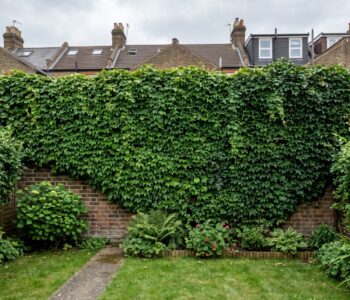
a tall north-facing brick boundary wall completely covered in dense, mature Boston ivy (Parthenocissus tricuspidata) Gardening And Landscaping

The Best Climbing Plants for Shady, North-Facing Walls in…

A high north-facing wall has a reputation among London gardeners as a lost cause – a cold, sunless expanse of brick that nothing worth growing will touch. Behind a Victorian terrace, or hemmed in by neighbouring buildings, it can feel like the one corner of the garden that refuses to come alive. Yet the truth is far kinder. Some of the most beautiful climbers in cultivation are woodland plants at heart, perfectly happy with their roots in cool shade and their stems pressed against a sunless wall, and a surprising number will flower there too.

The trick is to stop fighting the conditions and start choosing for them. A north wall in London has two things going for it that gardeners elsewhere would envy: the shelter of surrounding buildings and the gentle warmth of the city itself, which takes the edge off hard frosts. Pair that with plants well suited to shade, give them a decent start, and a blank, gloomy wall can become the lushest, greenest part of the whole garden.

Why a North-Facing Wall Is an Opportunity, Not a Problem

It helps to understand what a north-facing wall actually offers a plant. It receives little or no direct sunshine through the year, so it stays cooler and more evenly moist than a sun-baked south wall, and the light that reaches it is soft and indirect rather than fierce. The one real drawback is at ground level, where the wall casts a permanent rain shadow and the soil at its foot is often surprisingly dry, even after a wet London week. That single fact accounts for most of the failures people blame on shade. It is also worth distinguishing degrees of shade. A north wall in an open garden still receives plenty of bright, indirect light and will support a wide range of climbers, whereas a narrow side return between tall London terraces can be deeply shaded, and there the toughest evergreens and the most shade-tolerant foliage plants are the safest bet.

None of this troubles the right plants. A great many climbers are, by origin, woodland-edge species that spend their lives scrambling up through trees from shaded, leaf-littered ground towards the light above. Cool roots and low, dappled light are exactly what they evolved for, and several flower perfectly well without ever feeling direct sun on their stems. London adds two further advantages. The shelter of surrounding terraces and garden walls keeps off the worst of the wind, and the city’s own warmth, the urban heat that holds the capital a degree or two above the surrounding countryside, softens the frosts that might trouble a borderline plant in a colder county.

The shift that makes everything easier is one of expectation. On a north wall, foliage and structure do much of the work, and a wall clothed in glossy evergreen leaves or blazing autumn colour is a fine thing in its own right. Flowers become a welcome bonus rather than the whole point, and as it happens, several of the best shade climbers are generous with those too. A reliable approach is to give the wall an evergreen backbone, whether ivy, star jasmine or one of the evergreen hydrangea relatives, and then thread a seasonal flowering climber such as a clematis or a rose through it, so that the wall holds its interest the whole year round.

Self-Clinging Climbers That Need No Support

The least demanding option for a bare wall is a self-clinging climber, which attaches itself directly to the masonry by aerial roots or adhesive pads and asks for no wires, trellis or tying in. For a shady wall, the outstanding choice is the climbing hydrangea, Hydrangea anomala subsp. petiolaris. It is deciduous, slow to settle, and worth every season of patience: once established it covers a large wall in handsome heart-shaped leaves and broad, lacy white flowerheads through early summer, thriving in exactly the cool, sunless position that defeats lesser plants.

For sheer drama, the self-clinging Virginia creeper and Boston ivy, both forms of Parthenocissus, turn a whole wall to fire in autumn and tolerate deep shade without complaint, though they are vigorous and deciduous, leaving bare stems through winter. At the rarer end, Pileostegia viburnoides offers a refined, slow-growing evergreen relative of the climbing hydrangea, with leathery leaves and creamy late-summer flowers that hold a sunless wall beautifully all year. Two further self-clingers are worth knowing. The Japanese hydrangea vine, Schizophragma hydrangeoides, is a close and equally shade-happy cousin of the climbing hydrangea, while the evergreen Euonymus fortunei, more often grown as ground cover, will quietly climb a shaded wall and clothe it in dense, glossy leaves. Both are slow to begin but long-lived once settled.

Ivy and Your Brickwork

No plant divides opinion quite like ivy, and on a shady wall it is unbeatable for reliability – evergreen, fully shade-tolerant, and available in everything from large glossy leaves to delicate variegated forms. The common worry is damage to the wall, and it is worth being straight about it: on sound, well-pointed brickwork ivy clings harmlessly to the surface, but where mortar is already loose or render is cracked, its roots can work into the gaps and make matters worse. The sensible approach is to grow it only on walls in good repair, keep it clear of gutters, window frames and the roofline, and clip it over once a year to keep it dense and under control. Treated that way, it is one of the great problem-solvers for a dark corner.

Climbers and Wall Shrubs That Need a Little Support

Beyond the self-clingers lies a much wider choice of plants that will thrive on a north wall once given wires or trellis to hold on to. Among clematis, the early-flowering alpina and macropetala types are made for cool, shaded walls, shrugging off cold aspects to produce nodding spring flowers, while the popular ‘Nelly Moser’, whose pink bars bleach in strong sun, holds its colour best out of direct light. The vigorous Clematis montana will smother a large wall in late-spring blossom and tolerates a good deal of shade, asking only for room to roam.

Roses surprise people most. Several climbing varieties were bred for, or have long been grown on, sunless walls: ‘Madame Alfred Carrière’ is the classic, an old, vigorous climber carrying fragrant blush-white blooms through the season, while ‘New Dawn’ offers tough, pale-pink repeat flowering, and the thornless ‘Zéphirine Drouhin’ brings scent to a shady spot. None will flower quite as freely as it would in full sun, but all earn their place.

Other twiners worth a north wall include the woodland honeysuckles, which like their roots in shade, and the unusual chocolate vine, Akebia quinata, semi-evergreen and vigorous. Star jasmine (Trachelospermum jasminoides), the evergreen, sweetly scented climber seen all over London, will also cope with a sheltered north wall in the city’s mild conditions, though it flowers more shyly out of the sun. Where you want structure rather than a true climber, wall-trained shrubs excel in shade: the winter catkins of Garrya elliptica, the berries and evergreen cover of pyracantha, and the cheerful yellow winter flowers of Jasminum nudiflorum all take a north aspect happily when tied to supports. Flowering quince (Chaenomeles) belongs in the same group, studding a shaded wall with red, pink or white blossom in early spring before much of the garden has woken up, and the herringbone branches of Cotoneaster horizontalis will cover a low wall with shade-tolerant foliage and bright autumn berries that the birds strip within weeks.

Giving Shade Climbers the Start They Need

For all the right plant choices, most disappointments on a north wall trace back to that dry strip of soil at its foot, and a little care at planting time settles the matter for good. Set new climbers at least 30 to 45 centimetres out from the base of the wall, beyond the worst of the rain shadow, and lean the stems back towards it so the roots sit in ground that actually catches the rain. Enrich the planting area generously with garden compost or well-rotted manure, which on London’s heavy clay soils both feeds the plant and improves the moisture the roots can draw on through summer.

The first two summers are the ones that count. Water deeply and regularly until the climber is clearly established, since a plant in a rain shadow cannot rely on showers alone, and keep a thick mulch over the root area to lock that moisture in. A spring feed of a general fertiliser, worked in beneath that mulch, repays itself in stronger growth, particularly for the hungrier roses and clematis, which flower more freely for a little extra nourishment in a position that already asks a lot of them. Anything that is not self-clinging will need something to grip, and a simple grid of galvanised wires held off the brick on vine eyes is neat, durable and all but invisible once the plant takes hold, as well as far kinder to the wall than nailing up flimsy trellis.

After that, patience does the rest. A climbing hydrangea may sulk for a year or two before it races away, and most shade climbers build slowly before they cover their allotted space. Tie in and guide the stems while they are young, prune lightly to shape, and within a few seasons the cold, bare wall that once seemed a write-off will be the part of the garden that visitors notice first.

Professional Tree Care

Can I Prune or Fell My Tree in London?…

The mature plane tree at the bottom of the garden has thrown the kitchen into shade, dropped its sticky seed balls across the patio for the third year running, and finally dropped a branch onto the shed roof. The saw is in the garage, the weekend is free, and the temptation to simply deal with it is strong. In a great many London gardens, though, that instinct can land you in serious trouble – because the tree you think of as yours may be protected by law, and cutting into it without permission is a criminal offence rather than a private decision.

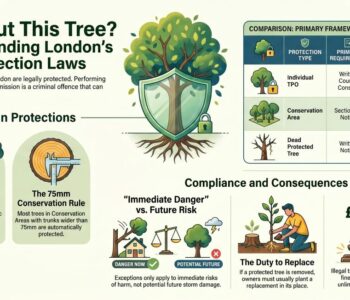
London is unusually full of protected trees. Centuries of leafy squares, Victorian streets and carefully designated neighbourhoods mean that a large share of the capital’s gardens fall under one of two overlapping systems of control: Tree Preservation Orders and conservation areas. The good news is that most sensible tree work can still be carried out. The catch is that the order of events matters enormously, and the safest move is always to find out where you stand before a single branch comes down.

What a Tree Preservation Order Actually Does

A Tree Preservation Order, almost always shortened to TPO, is a legal protection placed on a tree by the local planning authority – in London, that means your borough council. The power comes from the Town and Country Planning Act 1990 and the regulations that sit beneath it, and a council can make an Order whenever it judges that keeping a tree is, in the wording of the legislation, expedient in the interests of amenity. In practice that covers any tree contributing meaningfully to the look and character of an area, which in a green but crowded city is a great many of them. When a council makes an Order it must notify the tree’s owner, who has the right to object or comment before it is confirmed; even so, the protection usually takes effect provisionally the moment the Order is served, so work cannot simply be rushed through while the paperwork is still pending.

An Order can apply to a single specimen, to a group of trees, or to an entire woodland. Once it is in place, you cannot cut down, top, lop, uproot, or wilfully damage or destroy the tree without the written consent of the council. That holds true even when the tree stands entirely within your own garden, and regardless of who planted it or how long ago. Inheriting a protected tree when you buy a property is common in London, and not knowing that an Order exists is no defence if you breach it.

It is worth being clear about what a TPO does not do. It does not freeze a tree in place forever or forbid all work. Councils regularly grant consent for pruning, crown reduction and even felling where the case is sound. What the Order does is move the decision out of your hands and into a formal process, so that the work is assessed before it happens rather than regretted afterwards.

Conservation Areas and the Protection You Might Not Know About

The second system catches far more Londoners by surprise. Large parts of the capital, particularly across inner boroughs such as Camden, Islington, Kensington and Lambeth, are designated conservation areas, and trees within them carry a layer of protection even where no individual TPO exists. Any tree with a trunk diameter of more than 75 millimetres, measured at 1.5 metres above the ground, is automatically covered. That threshold is low enough to include most established garden trees. Smaller trees below that size, along with a few specific operations, fall outside the requirement, but the protection is otherwise a blanket one, covering every qualifying tree in the area at once. Where a tree is both in a conservation area and subject to its own TPO, the Order takes precedence and you follow the consent process rather than the notice route.

Before pruning or felling such a tree, you must give the council six weeks’ written notice, known as a Section 211 notice. This is not the same as applying for consent. The council cannot grant the notice with conditions attached, but during those six weeks it can decide that the tree deserves a Tree Preservation Order and make one, which then shifts the whole matter into the TPO consent process described above. If the six weeks pass without the council making an Order, or it confirms sooner that it has no objection, you are free to carry out the work as described, and you then have two years in which to do it.

How to Tell If Your Tree Is Protected

Checking is straightforward and costs nothing. Every London borough keeps a register of its Tree Preservation Orders and a map of its conservation areas, and many now publish both online so you can search by address in a few minutes. A local land charges search, of the kind carried out when a property changes hands, will also reveal any Orders affecting the land. If you cannot find a clear answer, or the records are ambiguous, the sensible course is to treat the tree as protected and ask the council’s tree officer directly before doing anything. Assuming a tree is unprotected because you cannot immediately find the paperwork is a risk that sits entirely with you.

When You Can Work Without Permission

There are genuine exceptions, but they are narrower than people hope, and the burden of proving them falls on whoever carries out the work. The clearest is a dead tree, which may be removed without consent – though for a tree under a TPO you must still give the council five working days’ written notice beforehand, so that an officer can confirm it really is dead. Removing dead branches from an otherwise living tree needs neither consent nor notice.

A dangerous tree is the exception most often misunderstood. The law allows you to carry out the minimum work necessary to remove an immediate risk of serious harm without waiting for consent, but the key word is immediate. A tree that might fail in a storm next winter does not qualify; one that is actively splitting, or has been destabilised and threatens people or property, does. Anyone relying on this exemption should photograph the tree thoroughly before and after, keep any arborist’s assessment, and notify the council in writing as soon as is practical. Claiming you assumed a tree was dead or dangerous will not protect you if the evidence does not bear it out.

A handful of other exceptions exist, including fruit trees grown for the production of fruit where the work follows good horticultural practice, and certain works needed to carry out a development that already holds full planning permission. For most homeowners, though, the practical rule is simple: if the tree is alive and not an immediate danger, assume you need to go through the proper channels. It is also worth knowing that misusing an exemption is an offence in its own right, so where there is any doubt about whether a tree is truly dead or dangerous, written confirmation from the council or a report from a qualified arborist is far cheaper than a prosecution.

Consent, Penalties and the Duty to Replace

Where consent is needed, the process is less daunting than it sounds. Applications and Section 211 notices are made to the borough council, usually through the national Planning Portal, and there is no fee for either. You describe the tree and the work proposed, and the council assesses the effect on the wider amenity of the area. A decision on a TPO application normally arrives within around eight weeks, while a conservation area notice runs to the six-week period already described. Any work that is approved should be carried out to a proper professional standard – councils generally expect compliance with BS 3998, the British Standard for tree work – by a qualified and insured arborist. If the council refuses consent under a TPO, or grants it with conditions you consider unreasonable, you have a right of appeal to the Planning Inspectorate, which considers the case afresh. There is no equivalent appeal against a conservation area notice, since the council is not granting permission in the first place.

One requirement catches people out after the event: replacement. If a protected tree is felled, whether with consent or under the dead or dangerous exemption, the landowner is usually required to plant a replacement of appropriate size and species in the same place. Crucially, that new tree is then automatically covered by the original Order, so removing a protected tree rarely means escaping protection altogether.

The penalties for getting this wrong are severe, which is why the whole subject deserves care. Cutting down, destroying or wilfully damaging a protected tree, or carrying out work in a conservation area without the required notice, is a criminal offence. A conviction in the magistrates’ court can bring a fine of up to £20,000, and cases that reach the Crown Court carry unlimited fines. The courts can also take into account any financial gain from the work, such as a rise in a property’s value or the light won by removing a tree. Separately, felling large volumes of timber – more than five cubic metres in a calendar quarter – may require a licence from the Forestry Commission, though that rarely arises in an ordinary London garden.

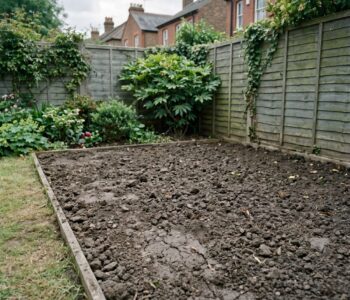
freshly prepared planting bed of authentic London clay soil in the corner of a typical suburban London back garden Gardening And Landscaping

Gardening on London Clay: The Best Plants and How…

Push a spade into a London garden in midwinter and you will feel it almost at once: the dense, sticky resistance of clay that clings to the blade and refuses to let go. Come August, the same ground has set hard as terracotta, laced with cracks wide enough to lose a trowel in. It is the soil that gardeners across the capital love to complain about, and on the face of it the complaints are fair – clay drains slowly, compacts easily and tests your patience every season.

And yet the reputation does London Clay a disservice. Beneath that difficult surface lies one of the most fertile, nutrient-rich and moisture-retentive substrates you could hope to garden on. The trick is not to fight it or to try replacing it wholesale, but to understand how it behaves and to choose plants that actively enjoy its company. Do that, and a heavy London plot will reward you with growth that lighter, sandier gardens can only envy.

Why London Gardens Sit on Heavy Clay

Much of the capital is built on a thick band of London Clay, a marine deposit laid down around 50 million years ago when the area lay beneath a warm, shallow sea. It stretches under most of inner London and out across large parts of the surrounding boroughs, which is why gardeners from Islington to Richmond tend to share the same grievances. It is the very material once dug straight from the ground to make the yellow London stock bricks behind much of the city’s architecture, which hints at just how dense and malleable it can be. The clay itself is made up of extremely fine particles, far smaller than the grains in sandy or silty soils, and it is this fineness that explains almost everything about its behaviour.

Because the particles pack so tightly together, water struggles to move through them. After heavy rain the ground holds on to moisture for days, leaving puddles on the surface and waterlogging plant roots that need air as much as they need water. Then, as summer arrives and the clay dries out, it contracts dramatically, shrinking and cracking in a way that can even contribute to subsidence beneath nearby buildings. This shrink-swell cycle is hard on shallow-rooted plants and on the gardener’s temper alike.

The flip side is worth dwelling on. Those same tightly packed particles cling to nutrients and water, so clay is naturally fertile and rarely dries out completely, even in a hot London summer. Established trees, shrubs and deep-rooted perennials draw on that reservoir long after gardeners on free-draining soil have reached for the hose. Clay also warms more slowly in spring, which sounds like a drawback but often protects plants from being coaxed into tender early growth that a late frost would destroy. Understood properly, it is less a problem soil than a demanding but generous one.

How to Improve Heavy, Waterlogged Clay

You cannot change the fundamental nature of clay, but you can transform how it behaves in the top layer where most planting happens. The aim is to open up its structure so that water drains more freely, air reaches the roots and the soil becomes easier to work. None of this happens in a weekend, but steady effort over a few seasons produces a remarkable difference.

Timing matters more than people expect. Clay should never be dug or walked on when it is sodden, because the weight smears and compacts the particles into an airless mass that sets like pottery. Equally, working it when it has baked solid is back-breaking and achieves little. The sweet spot is when the soil is moist but crumbly, which in London usually means autumn or a mild spell in spring.

Organic Matter, the One Habit That Changes Everything

If you do only one thing for a clay garden, make it the annual addition of bulky organic matter. Well-rotted manure, garden compost and leaf mould all work by binding the fine clay particles into larger crumbs, creating the gaps that water and air need to move through. Spread a generous layer across the surface each autumn and let the worms pull it down for you – this no-dig approach avoids disturbing the structure you are trying to build and saves a great deal of labour. Over three or four years, a thick, sticky clay can become a dark, workable loam that holds the best of both worlds: good drainage and high fertility. Spent mushroom compost and composted bark are useful additions to the rotation, while sowing a green manure such as field beans or grazing rye on bare ground over winter adds yet more organic bulk and protects the surface from heavy rain.

It is worth knowing what not to do, too. Adding sharp sand or grit on its own is a common mistake, since small amounts mixed into clay can set harder still, closer to concrete than crumb. Coarse grit helps only when it is added alongside plenty of organic matter, never instead of it. Where waterlogging is severe and persistent, the most reliable answer is to lift planting above the problem with raised beds, or in extreme cases to install land drainage – though for the vast majority of London gardens, patient mulching does the job on its own.

The Best Plants for London Clay

The surest route to a thriving clay garden is to plant things that relish these conditions rather than merely tolerating them, and the good news is that the list is long and beautiful. Among shrubs, roses are the classic clay-lovers, their hungry roots perfectly suited to rich, moisture-holding ground; shrub and climbing varieties alike flourish where sandier soils would leave them parched. They are joined by reliable performers such as viburnum, philadelphus (mock orange), weigela, flowering quince (Chaenomeles), spiraea and the winter-stemmed dogwoods (Cornus), all of which cope happily with heavy soil. Hydrangeas are especially at home, drawing on the steady moisture to fuel their large summer blooms.

For trees, scale matters in a London garden, so the most useful choices are those that stay modest. Hawthorn (Crataegus), rowan (Sorbus), crab apple (Malus) and the spring-flowering Amelanchier all establish well on clay and earn their place with blossom, berries and autumn colour. Hornbeam (Carpinus betulus) deserves a special mention – it thrives on heavy ground and makes a superb clipped hedge, a far better bet than beech where the soil stays wet.

The perennial palette is just as generous. Hardy geraniums, daylilies (Hemerocallis), Japanese anemones, bergenia, astrantia, persicaria and the late-summer fireworks of Rudbeckia, Helenium and asters will all settle in and spread. Lady’s mantle (Alchemilla mollis) and geum thread happily between larger plants, softening edges and filling gaps.

Shade is the other reality of many walled London gardens, and several clay-friendly plants positively prefer it. Hellebores, foxgloves, hardy ferns, the architectural leaves of Fatsia japonica and the early flowers of pulmonaria all settle into cool, moisture-retentive ground beneath walls and trees, turning an awkward corner into one of the most rewarding parts of the plot. Comfrey and the low carpets of ajuga and brunnera will knit together as ground cover in the same conditions.

Knowing what to avoid saves money and disappointment. The plants that struggle most on London clay are those adapted to hot, dry, free-draining homes – lavender, rosemary, cistus and many silver-leaved Mediterranean herbs will sulk and often rot over a wet winter, their roots sitting in cold, airless ground. The same caution applies to many alpines and to bulbs that need a dry summer baking to flower well. If you long for those plants, grow them in containers or a dedicated raised bed of gritty compost, and let the open ground carry the species that were made for it.

Living With Clay Through the Seasons

A clay garden runs to its own calendar, and working with that rhythm makes everything easier. Autumn is the season to plant, mulch and improve, while the soil is still warm and reliably moist; new shrubs and trees put down roots over winter and are far better placed to handle the following summer. Spring planting is fine too, provided you keep an eye on watering once the ground begins to dry. The depths of winter and the hard-baked weeks of high summer are best left for planning rather than digging. A thick mulch laid in spring pays off again here, slowing the summer drying that opens those deep cracks and helping the soil hold on to the moisture that is clay’s great advantage.

Lawns are often where clay frustrates Londoners most. Poor drainage leaves turf squelchy and prone to moss, while summer cracking can leave it patched and brown. Spiking the lawn each autumn with a fork or a hollow-tine aerator, then brushing in a sandy top dressing, gradually relieves compaction and helps surface water clear. It is slow work, but it steadily improves a struggling lawn rather than masking the problem.

Most of all, a clay garden rewards patience. The early seasons can feel like hard labour for modest returns, yet every barrowload of compost and every autumn mulch is an investment that compounds. Within a few years the soil grows darker, looser and easier to plant, and the species that suit it begin to thrive with very little intervention. The heavy London ground that once seemed an obstacle turns out to be the foundation of a garden that is lush, resilient and quietly self-sufficient.

Gardening And Landscaping

Sustainable Gardening Tips for the Eco-Conscious Londoner

If you are an avid gardener, you might expect to be eco-friendly by default. But that is not always the case. Consider just these three questions:

  • Are you as efficient as possible with your water usage?
  • Do you use herbicides and pesticides?
  • How do you deal with the residual waste that is inevitable for many gardening tasks?

This article explores the benefits of sustainable gardening, highlighting both its environmental and personal perks. It covers the unique challenges of creating a sustainable garden in London, offers tips for selecting native plants, and shares efficient water conservation techniques. Additionally, discover how to reduce waste through composting and maintain your garden’s sustainability in the long term.

What is Sustainable Gardening?

Sustainable gardening is a fantastic way to create a thriving garden while being mindful of the environment. By incorporating eco-friendly practices such as composting, organic gardening, and water conservation, you can cultivate a space that supports biodiversity and enhances soil health.

This innovative gardening approach is beneficial for urban dwellers like yourself. It encourages the use of native plants that require less water and provide essential habitats for local pollinators. Techniques such as green roofing and vertical gardening make the most of your limited space, help improve air quality, and reduce urban heat.

Additionally, using water butts to collect rainwater is a clever conservation move, while planting cover crops helps to keep your soil intact.

Engaging in these sustainable practices contributes to a larger ecological balance and creates a thriving environment that transforms concrete jungles into green havens for plants and wildlife.

Benefits of Sustainable Gardening

Engaging in sustainable gardening has numerous benefits both for the planet and your well-being. When you adopt eco-friendly practices, you’re not just helping the environment; you also enjoy the delicious fruits (literally!) of your labour with home-grown produce while boosting biodiversity in your garden.

This holistic approach can improve soil health, encourage pollinator-friendly spaces, and create thriving habitats that support beneficial insects and native species. It’s like giving Mother Nature a high-five while reaping some tasty rewards!

Environmental and Personal Advantages

The environmental and personal benefits of sustainable gardening are impressive and interconnected. For starters, when you adopt sustainable practices, you’re reducing your ecological footprint, helping tackle climate change, and enhancing local biodiversity. Additionally, you enjoy fresh herbs and vegetables that can improve your health and well-being.

This holistic approach to gardening creates a thriving ecosystem and helps you connect more deeply with nature, which can do wonders for your mental health. By nurturing your plants organically, you might feel less stressed and anxious, as caring for living things brings a genuine sense of purpose and accomplishment.

Using native plants can also help filter out air pollutants, making the air around you cleaner. These practices support sustainable living by reducing waste and water use, ultimately leading to a healthier environment for your community and future generations.

Creating a Sustainable Garden in London

Creating a sustainable garden in London offers unique opportunities and challenges that require thoughtful planning and eco-friendly practices.

Urban gardening can thrive even in confined spaces! You can make the most of vertical, container, and community gardens while focusing on sustainable landscaping techniques and promoting biodiversity.

Of course, you must tackle challenges like urban soil health and limited space. Still, with some creativity, you can find innovative solutions that align with your commitment to environmental sustainability.

Challenges and Solutions

Creating a sustainable garden in an urban environment like London can be incredibly rewarding, but it certainly comes with challenges. You might find yourself dealing with poor urban soil health, limited space for gardening, and tricky access to resources. But don’t worry—these hurdles can be tackled with smart, sustainable solutions like soil amendments and eco-friendly gardening products.

You will also have to contend with limited sunlight and high pollution levels, which can dampen plant growth and overall health. One practical trick is to embrace vertical gardening techniques. This way, you can make the most of your space while keeping soil degradation at bay.

Additionally, incorporating composting can boost your soil health, providing it with the essential nutrients it needs and promoting biodiversity.

Engaging with local gardening communities is another excellent way to share knowledge and resources and make sustainable practices more accessible. Initiatives like community gardens help overcome space limitations and strengthen community bonds, fostering a collective approach to urban farming.

Reducing Waste in Your Garden

Choosing the Right Plants for Your Sustainable Garden

Choosing the right plants is critical to making your sustainable garden thrive, especially in urban settings. Opt for native plants and perennials that perform well in your area. They not only support local biodiversity but also require less maintenance and water than those non-native species.

This intelligent plant selection enhances ecological balance and helps you engage in sustainable gardening.

Native Plants and Perennials

Native plants and perennials are game-changers in sustainable gardening, especially in boosting local biodiversity and protecting the environment. These plants are perfectly adapted to your local climate and soil conditions, making them easy to care for while providing essential habitats for wildlife and beneficial insects.

By choosing native varieties, you can reduce your reliance on chemical fertilisers and pesticides, which can disrupt the surrounding ecosystems. In community gardens, incorporating these plants creates a vibrant mix of flora that supports pollinators like bees and butterflies, which are extremely important for food production.

Furthermore, using perennials is excellent for soil stabilisation and erosion control, helping to promote healthy growth cycles. These plants help create a balanced environment that nurtures your garden and positively impacts the community’s natural landscape, enhancing ecological integrity and resilience.

Maximising Water Efficiency in Your Garden

Maximising water efficiency is key to sustainable gardening, especially in urban areas with scarce water. Eco-friendly practices like rainwater harvesting, drip irrigation, and mulching can significantly boost water conservation and lower your garden’s carbon footprint.

It’s all about making small changes that can have a big impact!

Techniques and Tools for Water Conservation

Effective water conservation techniques and tools are crucial for maintaining a sustainable garden, helping you maximise your resources. For instance, using drought-resistant plants and installing water butts can cut down on your water usage while promoting eco-friendly practices.

Consider implementing drip irrigation systems to deliver water straight to the roots, which minimises waste and boosts plant health. Don’t underestimate the power of mulching either; it helps retain soil moisture and regulate temperature, both essential for success in urban gardening.

Consider incorporating soil moisture sensors to gauge your watering needs accurately. This way, you can use water responsibly, even in limited spaces. These practices not only enhance your garden but also contribute to transforming urban landscapes into vibrant, eco-conscious habitats.

By embracing these sustainable solutions, you can effectively tackle water scarcity while fostering resilience in your green spaces.

Reducing Waste in Your Garden

Reducing waste in your garden is a key part of sustainable practices that can help you minimise your ecological footprint while boosting soil health. Composting techniques and incorporating recycled materials can turn organic waste into valuable resources for your garden.

It’s a win-win for both you and the environment!

Composting and Other Sustainable Practices

Composting is truly a game-changer for sustainable gardening. It allows you to recycle organic waste into nutrient-rich soil amendments. This eco-friendly practice reduces landfill waste, enhances soil health, and encourages using organic fertilisers in your garden.

When you transform kitchen scraps, garden debris, and other organic materials into compost, you create a thriving ecosystem in your back garden. This process engages those helpful microorganisms, breaking down the matter and enriching the soil, improving its ability to retain moisture and nutrients.

Composting and techniques such as mulching, rainwater harvesting, and using biodegradable products lay the groundwork for an eco-friendly gardening approach. Ultimately, embracing these sustainable practices benefits your garden and contributes to a healthier planet, helping you play your part in waste reduction and responsible stewardship of our natural resources.

Maintaining a Sustainable Garden

Maintaining a sustainable garden requires consistent care and attention to eco-friendly practices that enhance plant health and support the environment. To ensure your garden flourishes, you’ll want to keep up with regular maintenance tasks, such as seasonal planting and proper plant care.

This supports local biodiversity and reduces waste, making gardening even more rewarding.

Tips for Long-Term Sustainability

Achieving long-term sustainability in your garden takes a little commitment to eco-friendly practices and a mindset of continuous improvement. By embracing gardening tips focusing on biodiversity, pest management, and soil health, you can create a resilient garden that helps the environment and encourages community involvement.

To maintain sustainable practices, consider rotating your crops. This little trick boosts soil nutrients naturally and keeps pesky pests at bay. Incorporating native plants is another win; they attract beneficial insects that reduce the need for chemicals and help maintain a balanced ecosystem.

Remember water conservation! Rainwater harvesting and drip irrigation optimise water usage and lead to healthier plants. Plus, involving local gardening groups or initiatives can enrich your knowledge and inspire collective efforts towards sustainable solutions. Remember, even small community changes can add significant environmental benefits over time.

Gardening And Landscaping

From Concrete to Green: Landscaping Ideas for Small Urban…

Urban areas are often dominated by concrete and steel, leaving little room for nature to thrive. Transforming small spaces into vibrant gardens can significantly enhance city living.

We explore the myriad benefits of green spaces in urban environments and provide practical tips for designing a small garden. From choosing low-maintenance plants and innovative landscaping techniques to maintaining a healthy garden, discover how to create a lush oasis that beautifies your surroundings and benefits the environment.

Benefits of Green Spaces in Urban Areas

Green spaces in urban areas bring a multitude of benefits that enhance not just the environment but also your community’s well-being. These areas are like vital ecosystems, promoting biodiversity and providing a place to call home for urban wildlife. They play a crucial role in climate resilience by cooling things down and improving air quality.

When green spaces are incorporated, they encourage outdoor living, help people bond, and offer a peaceful escape from the concrete jungle. Additionally, they significantly enhance the aesthetic appeal of neighbourhoods and contribute to better mental health and wellness for individuals living in busy urban settings.

These natural sanctuaries are essential buffers against noise pollution and urban runoff, creating a balanced ecosystem that nurtures plants and animals. Parks and community gardens inspire an active lifestyle, promoting outdoor activities that enhance physical health while bringing people from different backgrounds together.

By integrating sustainable practices, urban green spaces can effectively capture carbon emissions, promote rainwater absorption, and reduce troublesome urban heat islands. These attributes highlight green spaces’ value in creating healthier, more resilient urban environments where people and nature can thrive together.

Designing a Small Urban Garden

Designing a small urban garden can completely transform your limited outdoor space into a vibrant oasis of greenery and life. By carefully planning your garden layout, you can include a mix of plants that enhance biodiversity and support sustainable practices.

Think about using urban landscaping techniques to create multifunctional spaces that are both visually appealing and practical. Whether incorporating impressive features like vertical gardens or adding sustainable design elements, every detail you choose can genuinely improve your community’s environment and biodiversity.

Remember that even small gardens can promote urban greening and boost local wildlife habitats.

Factors to Consider and Tips for Maximising Space

When planning a small urban garden, a few key factors can help you make the most of your space while keeping it functional and visually appealing. One option is to use vertical gardens to take advantage of wall space, which allows you to grow a wider variety of plants without losing valuable ground area.

Techniques like container gardening and clever hardscaping can enhance your garden’s layout. Choosing seasonal plants and native species can boost soil health and biodiversity, ensuring your garden thrives in a limited environment.

Remember, clever planning can go a long way in creating that lovely outdoor space you’ve been dreaming of.

Integrating multi-tiered planters can add depth and layers, giving your garden a more dynamic look while saving precious surface area. Lightweight containers can make soil management a breeze, especially if you’re on an upper floor or balcony.

Efficient irrigation systems, like drip hoses, save water and ensure every plant gets the moisture it needs without those sprawling hose lines taking over your space. Dedicated pathways created through clever hardscaping allow you to move around easily while keeping your garden looking fabulous.

Using these innovative strategies, even the tiniest urban plot can become a vibrant oasis bursting with diverse plant life.

Vertical Gardening

Choosing the Right Plants for Urban Gardens

Choosing the right plants for your urban garden is critical to its success and sustainability. By opting for native plants, you align your garden with the local ecosystem and support urban biodiversity hotspots.

These plants generally thrive in your local climate, which means they’ll need less maintenance and irrigation—a win for the environment. Additionally, adding seasonal plants enhances your garden’s appearance and attracts urban wildlife, transforming your space into a vibrant haven.

By taking the time to consider your plant selection, you can create a flourishing garden that positively impacts your urban environment.

Low-Maintenance and Space-Saving Options

Choosing low-maintenance and space-saving options for small urban gardens is critical to creating a thriving green space without much effort. Container gardening is your best friend here; it allows you to grow various plants in tight spots while allowing you the flexibility to experiment with design and layout.

By opting for hardy varieties like succulents or herbs such as basil and mint, you can create vibrant displays without needing to supervise your plants constantly. Additionally, incorporating some ornamental plants, like dwarf shrubs or flowering annuals, adds a splash of visual interest that fits perfectly into any little nook.

Do not forget about vertical planters or wall-mounted racks—they’re fantastic for maximising space and making it easy to enjoy a lush sanctuary, even if you’re short on square footage.

Using garden accessories like self-watering pots and drip irrigation systems can simplify your care routine, ensuring your plants thrive with minimal watering. These practical solutions enhance the aesthetic appeal of your garden and support sustainability in urban environments.

Maintaining and Caring for Urban Gardens

Creative Landscaping Ideas for Small Urban Gardens

Get creative with your landscaping ideas to transform your small urban garden into a stunning, multifunctional outdoor space. Consider incorporating unique features like pathways, water elements, and cosy seating areas to enhance the garden’s aesthetics and add practical usability.

Using hard landscaping elements can help you define different zones, giving your outdoor space a sense of structure and making it more inviting. You might also consider adding sensory gardens or pollinator-friendly plants to engage all your senses and support local wildlife.

With thoughtful design and creativity, your small garden can be both a beautiful retreat and an ecological haven.

Vertical Gardening

Vertical gardening is a fantastic way to make the most of limited space while adding lush greenery to your environment. Using wall space, you can create stunning green walls filled with diverse plants that beautify your garden, improve air quality, and support local biodiversity. This method is perfect for small urban gardens where every inch counts. Furthermore, vertical gardens open up unique opportunities for creativity, allowing you to experiment with colours, textures, and plant pairings to create an eye-catching outdoor oasis.

This innovative approach to gardening can promote a sense of tranquillity amidst the hustle and bustle of city life. If you embrace vertical gardening, it enhances your surroundings, transforming bland walls into vibrant life displays. Greenery can provide habitats for beneficial insects and birds, helping reinforce ecological balance in urban settings.

Techniques such as hydroponics or modular planter systems allow year-round cultivation, expanding the variety of plants that can thrive even in limited areas.

Vertical gardens beautify urban spaces and encourage self-sufficiency and sustainability, making them valuable to modern living.

Container Gardening

Container gardening is a fantastic option for small spaces. It provides flexibility and portability while allowing you to grow various plants. With the right garden accessories, you can easily create an attractive setup that includes seasonal plants and enhances your garden’s aesthetics.

This method is especially great if you’re in an urban area and wish to grow vegetables, herbs, or ornamental plants without needing a traditional garden bed. You can optimise your gardening efforts by selecting the proper containers and compost and enjoy fresh produce or beautiful blooms outside your door.

One of the best perks of this approach is that it allows you to make the most of limited space, enabling you to create a vibrant, lush garden even on a small balcony or patio. Mixing different sizes, shapes, and materials for your containers can give a unique flair while ensuring excellent drainage and insulation for your plant roots.

It’s wise to consider lightweight options like resin or plastic containers for easy moving, especially if the sun hits different spots throughout the day. Additionally, choosing plants that thrive in containers—such as dwarf varieties or trailing herbs—can add a delightful visual appeal, maximising both functionality and aesthetics in your urban oasis.

Green Walls and Roofs

Green walls and roofs are your ticket to innovative urban greening. They transform concrete jungles into vibrant ecosystems that boost biodiversity and help with climate resilience. These vertical gardens look fantastic and do wonders for reducing urban heat and improving air quality. By incorporating native species into your designs, you can attract urban wildlife and support the local ecosystem.

Additionally, green roofs can provide extra outdoor living space, perfect for relaxing or socialising while enjoying nature. With the right planning and execution, green walls and roofs can enhance the sustainability of urban spaces.

And let’s not forget about the practical perks! When you implement green walls and roofs effectively, you can reduce building energy costs by insulating against those extreme temperatures. Their natural cooling properties mean you’ll rely less on air conditioning, which translates to lower electricity bills.

These green installations also help manage stormwater by soaking up rainfall, reducing runoff, and minimising the risk of flooding in urban areas. Consider the right plant species and structural elements to keep these green spaces thriving long-term.

Ultimately, these sustainable solutions create healthier urban environments, striking a beautiful balance between development and nature.

Maintaining and Caring for Urban Gardens

Maintaining and caring for your urban garden is vital to keeping it healthy and vibrant all year round. Regular maintenance practices, such as checking the soil health and setting up effective irrigation systems, boost plant growth and sustainability.

Adding seasonal plants to your garden looks great and promotes biodiversity by creating habitats for urban wildlife. Additionally, embracing eco-friendly gardening methods, such as composting and mulching, can enhance soil quality and save on water usage.

Remember, a little care goes a long way in turning your urban oasis into a thriving paradise.

Practical Tips for Keeping Your Garden Healthy and Thriving

To keep your urban garden healthy and thriving, use practical tips and techniques that work for your specific space. Regularly checking your plants for pests and diseases can help you catch issues before they balloon into bigger problems.

Regarding watering, find a strategy that gives your plants the hydration they need without drowning them. Using gardening tools made for small spaces can make maintenance a breeze, turning your gardening experience into something delightful. And don’t forget about organic pest control methods; they’ll help create an eco-friendly vibe while letting your garden flourish sustainably.

Consider creating a watering schedule that considers the weather and your plants’ needs. Watering in the early morning or late evening helps reduce evaporation so your soil can hold that precious moisture longer.

Try companion planting to keep pests at bay and boost your soil health naturally. Using mulch can also do wonders for regulating soil temperature and keeping those pesky weeds down, making your maintenance chores much easier.

Choosing the right tools—like hand trowels or ergonomic secateurs—can enhance your game and ensure that your urban gardening efforts yield the best results.

Benefits of Urban Gardening for the Environment

Urban gardening has amazing environmental benefits, especially in crowded areas. When green spaces are integrated into the city, they help reduce the urban heat island effect, enhance air quality, and provide habitats for local wildlife.

Moreover, urban gardening encourages community involvement, giving you and your neighbours a chance to come together and engage in eco-friendly practices that truly make a difference in your neighbourhood. This green infrastructure is crucial for managing stormwater runoff and improving soil health, ultimately helping to create a sustainable urban ecosystem.

Reducing Carbon Footprint and Promoting Biodiversity

One of the biggest perks of urban gardening is its ability to shrink your carbon footprint while boosting biodiversity in your neighbourhood. When you grow your food and use sustainable practices, you can reduce the need for transported goods, which helps lower greenhouse gas emissions. Plus, your urban garden can become a vital habitat for pollinators and other wildlife, enriching urban ecology and creating little biodiversity hotspots. These green spaces make a difference in cities, providing safe havens for various species and enhancing the local ecosystem.

Urban gardens help reduce carbon emissions by reducing long-distance food transport and improving air quality with plants acting as natural air filters. Throw in some composting and rainwater harvesting, and you’re amplifying sustainability by turning waste into valuable resources while minimising water runoff.

By incorporating native plants, you’ll attract diverse insects and birds, support local food webs, and keep the ecosystem in balance. When many adopt these practices, those gardens create interconnected green corridors that offer refuge for wildlife, bridging the gap between urban life and nature.

Professional Tree Care

Tree Maintenance 101: Essential Tips for London Gardeners

Proper tree maintenance is vital for the health and longevity of your garden’s greenery, especially in bustling cities like London. Whether you’re a seasoned gardener or a novice, understanding the essential tools and techniques for tree care can make all the difference.

This guide covers must-have tools, effective pruning methods, common tree diseases, pest management, and best practices for watering and fertilization. Additionally, it discusses when and how to remove or replace trees safely. By the end, you’ll know how to keep your trees thriving in an urban environment.

Why is Tree Maintenance Important?

Tree maintenance is crucial for keeping the trees in your garden healthy and thriving, especially in urban areas like London. Here, trees play a significant role in maintaining ecological balance and adding beauty to the landscape.

Regular health assessments of your trees, including checks for diseases and pests, are essential to understanding what each species needs and promoting biodiversity in your local environment. Maintaining your trees will improve the appearance of your garden and help reduce environmental impact, making it a key part of sustainable gardening practices.

By conducting thorough tree inspections, you can spot potential hazards and proactively protect the trees and your community. Healthy trees provide essential habitats for local wildlife and support ecosystems that depend on diverse tree species.

When you properly care for these green assets, you are also boosting urban forestry efforts, which aim to enhance air quality, cool down urban heat, and improve the overall livability of cities.

This holistic approach to tree maintenance protects the natural environment and ensures that future generations can enjoy all the incredible benefits trees bring.

Essential Tools for Tree Maintenance

Having the right tools for tree maintenance is a game changer for gardeners, especially in a busy city like London, where urban trees need a bit of extra TLC.

You’ll want to have pruning shears and climbing techniques ready for effective trimming, as well as safety gear to keep yourself protected while you’re out there caring for your trees.

Being equipped with the right gardening tools makes a difference. Understanding how to use tree support systems and when to call emergency tree services will also help you keep your trees healthy and stable.

Must-Have Tools for London Gardeners

For you London gardeners out there, certain tools are absolute must-haves for effective tree maintenance and overall garden care. Essential tools like pruning shears are key to keeping your plants growing healthily, while tree care products help ensure your trees stay strong against diseases. A solid tree maintenance checklist will keep you organised and proactive in your gardening adventures.

Understanding the unique gardening conditions in London, with its varied climate, can help you make smart choices about the right tools for the job. High-quality spades and trowels are perfect for digging and planting, especially in urban areas where the soil can be a bit compacted. And don’t forget about wheelbarrows; they’re essential for transporting materials around your garden, making tasks like mulching or composting much easier.

In terms of tree care, investing in a good set of loppers lets you make precise cuts that encourage healthy branching. And a solid pair of gardening gloves? Don’t underestimate their value! They’ll keep your hands protected and comfortable while you tackle pruning and other tasks that need a little hand safety.

Pruning Techniques for Tree Health

Understanding pruning techniques is key to keeping trees healthy and helping them grow best in your garden, especially given the variety of tree species in urban settings like London.

When you carry out a proper crown reduction, you’re not just managing the tree’s structure; you’re also affecting how it grows and how you care for it throughout the seasons. By using specific pruning methods that suit your trees, you can ensure they thrive and look splendid.

When and How to Prune Trees

Knowing when and how to prune your trees is essential for keeping them healthy and helping them thrive. The timing can change depending on the type of tree and its seasonal needs. For instance, some trees do wonders with a winter trim, while others prefer a summer makeover. Understanding what each tree species needs can help you apply the right pruning techniques effectively.

Not only does this support strong growth, but it also enhances the overall appearance of your garden. Well-timed pruning helps with airflow, reduces disease risk, and boosts beautiful blooms and fruit production.

Using the right pruning methods—such as thinning, heading back, or crown reduction—will give your trees a sturdier structure. Whether you’re shaping young saplings or revitalising older trees, mastering the art of tree trimming is crucial for both the beauty of your landscape and its longevity.

By considering these factors, you can ensure that each tree flourishes uniquely.

Common Tree Diseases in London

Identifying and Addressing Tree Diseases

Identifying and addressing tree diseases is extremely important for tree maintenance, especially in urban gardening situations like those in London, where various factors can affect tree health.

You must conduct regular tree health assessments and implement pest control measures to monitor common plant diseases. This will ensure your trees remain healthy and vibrant for years.

Being proactive about disease management protects your landscaping investment and helps improve the overall health of your garden ecosystem.

Common Tree Diseases in London

In London, you’ll find that various common tree diseases can pose a real threat to urban trees, impacting their health and stability. Knowing how to identify trees is extremely important because it helps you spot the symptoms of these diseases early so you can take timely action with pest control and treatment options. The more you familiarize yourself with these plant diseases, the better equipped you’ll be to protect your trees and contribute to a healthier urban environment.

Understanding tree diseases allows you to take quick action and helps maintain biodiversity in the city. Take ash dieback, for instance—it’s nasty and shows symptoms like wilting leaves and dark lesions. Then there’s oak wilt, which is more insidious as it leads to a gradual decline in foliage. Each of these conditions comes with its own set of challenges.

The causes can vary from fungal infections to environmental stressors, so staying aware is key. Effective treatments involve trimming off infected branches or, in serious cases, removing trees to stop the spread. By being vigilant and informed, you can be crucial in managing these tree ailments, ensuring that London’s lush greenery continues to thrive for generations.

Dealing with Pests and Insects

Dealing with pests and insects is vital to keeping trees healthy in your garden, especially in urban areas like London, where invasive species can disrupt things.

You must use effective pest control techniques and preventative measures to protect your trees from potential damage and diseases.

Furthermore, concentrating on organic gardening helps your trees and supports the entire surrounding garden ecosystem.

Preventive Measures and Treatment Options

Implementing preventive measures and effective treatment options is essential for managing pests and keeping your garden trees healthy. Regularly inspecting your plants and adopting organic gardening practices will reduce the risk of tree diseases and infestations. Knowing how to tackle pest problems quickly can save your trees from serious long-term damage.

Understanding the specific types of pests that could threaten your trees is crucial. This knowledge allows you to make tailored interventions that keep your garden thriving.

Some effective preventive measures you can take include:

  • Maintaining proper soil health,
  • Ensuring adequate watering,
  • Selecting disease-resistant tree varieties.

Consider natural remedies, such as introducing beneficial insects like ladybirds or using neem oil. These can help deter pests without harming your garden’s ecosystem.

If things become overwhelming, contacting professional pest control services can provide access to targeted treatment options. They can provide immediate solutions and long-term maintenance plans that support organic gardening principles and boost the vitality of your landscape.

Proper Tree Watering and Fertilization

Proper tree watering and fertilisation are key to promoting healthy growth and development in your garden’s trees, especially in urban areas where the soil might not be at its best.

By understanding the nutrient needs of different tree species, you can set up an effective irrigation and fertilisation schedule that meets their specific requirements. Plus, by incorporating seasonal care practices, you can boost the overall health of your trees, keeping them robust and vibrant all year round.

Best Practices for Keeping Trees Healthy

Keeping your trees healthy combines the correct practices, such as proper irrigation, fertilisation, and regular soil health check-ups. Implementing seasonal care routines that cater to your trees’ specific needs ensures they receive the right nutrients and hydration all year round. By focusing on these practices, you’ll create a flourishing garden ecosystem that supports vibrant tree growth.

A consistent irrigation schedule that adapts to seasonal changes can boost your trees’ health. This way, you’ll steer clear of drought stress or saturated conditions. In terms of fertilisation, ensure it aligns with the tree growth cycle. Using slow-release fertilisers in the spring can kickstart that initial growth phase while providing a steady supply of nutrients.

Don’t forget to conduct soil tests every couple of years! This will help you spot any nutrient deficiencies or pH imbalances, allowing you to make informed amendments that nurture strong tree development. Embracing these practices is key to keeping your trees healthy and thriving for years.

Tree Removal and Replacement

Tree removal and replacement may be necessary in your urban garden to keep surrounding structures safe and promote your plants’ overall health. Conduct a thorough tree health assessment to determine when it is time for removal.

Hiring professional arborists can ensure the whole process is handled safely and efficiently. Additionally, knowing the best practices for tree replacement can help you maintain a balanced ecosystem in your garden.

When and How to Remove a Tree

Knowing when and how to remove a tree is extremely important for keeping your garden safe and healthy, especially in tight urban spaces where every inch counts. Regularly assessing the health of your trees can help you spot any that might be risky due to disease or structural issues, which could mean it’s time to call in the professionals for removal. And don’t forget to equip yourself with the right safety gear when tackling this task; it’s essential for completing the job safely and efficiently.

You’ll want to look for specific signs that indicate a tree is in trouble, such as trunk decay, a noticeable lean, or large, dead branches. If you notice any of these red flags, it’s a good idea to contact emergency tree services to assist with any immediate dangers.

When it comes time to remove a tree, it usually involves determining the safest way to do so while being mindful of its surroundings. This means careful planning, such as deciding which way the tree will fall and ensuring you have the right tools on hand.

To minimise risks during removal, it’s crucial to secure the area and wear protective gear—consider helmets, gloves, and goggles.

Uncategorised

Re-modelling Your Garden – Is It Worth It?

In my experience, people decide to remodel their garden for one of two reasons: a generational change – especially when the property has been in the family for over 4-5 generations, or a change of ownership. Either way, you must be aware of the required investment – not only of money but of time, energy, and dedication to the project.

Consider this – you can change the outlook of your study or living room by simply repainting it and moving a few pieces of furniture. It might take a couple of days, but the whole room will acquire a new air about it.

The same could never be valid for a garden remodelling project. First of all, the sheer workload is different – more often than not, you must move and re-plant flowers, cut down a couple of trees, or plant new ones. And I am not even mentioning exterior design features like mini-lakes, pathways, hedges, or pavilions. If you are serious about the project, you must plan for at least a few weeks, if not a couple of months of hard work.

And yet, for all its efforts and anxiety, a garden remodelling project is more than worth it. In my ten years in landscaping, I haven’t had a customer who was not ecstatic about the final result. It might not be the easiest, but I think it is the most lasting way to leave your mark on your property. And let’s be fair – you will spend much more enjoyable hours in the garden than in the kitchen!