From Concrete to Green: Landscaping Ideas for Small Urban…
Urban areas are often dominated by concrete and steel, leaving little room for nature to thrive. Transforming small spaces into vibrant gardens can significantly enhance city living.
We explore the myriad benefits of green spaces in urban environments and provide practical tips for designing a small garden. From choosing low-maintenance plants and innovative landscaping techniques to maintaining a healthy garden, discover how to create a lush oasis that beautifies your surroundings and benefits the environment.
Benefits of Green Spaces in Urban Areas
Green spaces in urban areas bring a multitude of benefits that enhance not just the environment but also your community’s well-being. These areas are like vital ecosystems, promoting biodiversity and providing a place to call home for urban wildlife. They play a crucial role in climate resilience by cooling things down and improving air quality.
When green spaces are incorporated, they encourage outdoor living, help people bond, and offer a peaceful escape from the concrete jungle. Additionally, they significantly enhance the aesthetic appeal of neighbourhoods and contribute to better mental health and wellness for individuals living in busy urban settings.
These natural sanctuaries are essential buffers against noise pollution and urban runoff, creating a balanced ecosystem that nurtures plants and animals. Parks and community gardens inspire an active lifestyle, promoting outdoor activities that enhance physical health while bringing people from different backgrounds together.
By integrating sustainable practices, urban green spaces can effectively capture carbon emissions, promote rainwater absorption, and reduce troublesome urban heat islands. These attributes highlight green spaces’ value in creating healthier, more resilient urban environments where people and nature can thrive together.
Designing a Small Urban Garden
Designing a small urban garden can completely transform your limited outdoor space into a vibrant oasis of greenery and life. By carefully planning your garden layout, you can include a mix of plants that enhance biodiversity and support sustainable practices.
Think about using urban landscaping techniques to create multifunctional spaces that are both visually appealing and practical. Whether incorporating impressive features like vertical gardens or adding sustainable design elements, every detail you choose can genuinely improve your community’s environment and biodiversity.
Remember that even small gardens can promote urban greening and boost local wildlife habitats.
Factors to Consider and Tips for Maximising Space
When planning a small urban garden, a few key factors can help you make the most of your space while keeping it functional and visually appealing. One option is to use vertical gardens to take advantage of wall space, which allows you to grow a wider variety of plants without losing valuable ground area.
Techniques like container gardening and clever hardscaping can enhance your garden’s layout. Choosing seasonal plants and native species can boost soil health and biodiversity, ensuring your garden thrives in a limited environment.
Remember, clever planning can go a long way in creating that lovely outdoor space you’ve been dreaming of.
Integrating multi-tiered planters can add depth and layers, giving your garden a more dynamic look while saving precious surface area. Lightweight containers can make soil management a breeze, especially if you’re on an upper floor or balcony.
Efficient irrigation systems, like drip hoses, save water and ensure every plant gets the moisture it needs without those sprawling hose lines taking over your space. Dedicated pathways created through clever hardscaping allow you to move around easily while keeping your garden looking fabulous.
Using these innovative strategies, even the tiniest urban plot can become a vibrant oasis bursting with diverse plant life.
Choosing the Right Plants for Urban Gardens
Choosing the right plants for your urban garden is critical to its success and sustainability. By opting for native plants, you align your garden with the local ecosystem and support urban biodiversity hotspots.
These plants generally thrive in your local climate, which means they’ll need less maintenance and irrigation—a win for the environment. Additionally, adding seasonal plants enhances your garden’s appearance and attracts urban wildlife, transforming your space into a vibrant haven.
By taking the time to consider your plant selection, you can create a flourishing garden that positively impacts your urban environment.
Low-Maintenance and Space-Saving Options
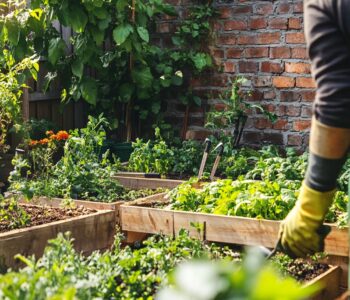
Choosing low-maintenance and space-saving options for small urban gardens is critical to creating a thriving green space without much effort. Container gardening is your best friend here; it allows you to grow various plants in tight spots while allowing you the flexibility to experiment with design and layout.
By opting for hardy varieties like succulents or herbs such as basil and mint, you can create vibrant displays without needing to supervise your plants constantly. Additionally, incorporating some ornamental plants, like dwarf shrubs or flowering annuals, adds a splash of visual interest that fits perfectly into any little nook.
Do not forget about vertical planters or wall-mounted racks—they’re fantastic for maximising space and making it easy to enjoy a lush sanctuary, even if you’re short on square footage.
Using garden accessories like self-watering pots and drip irrigation systems can simplify your care routine, ensuring your plants thrive with minimal watering. These practical solutions enhance the aesthetic appeal of your garden and support sustainability in urban environments.
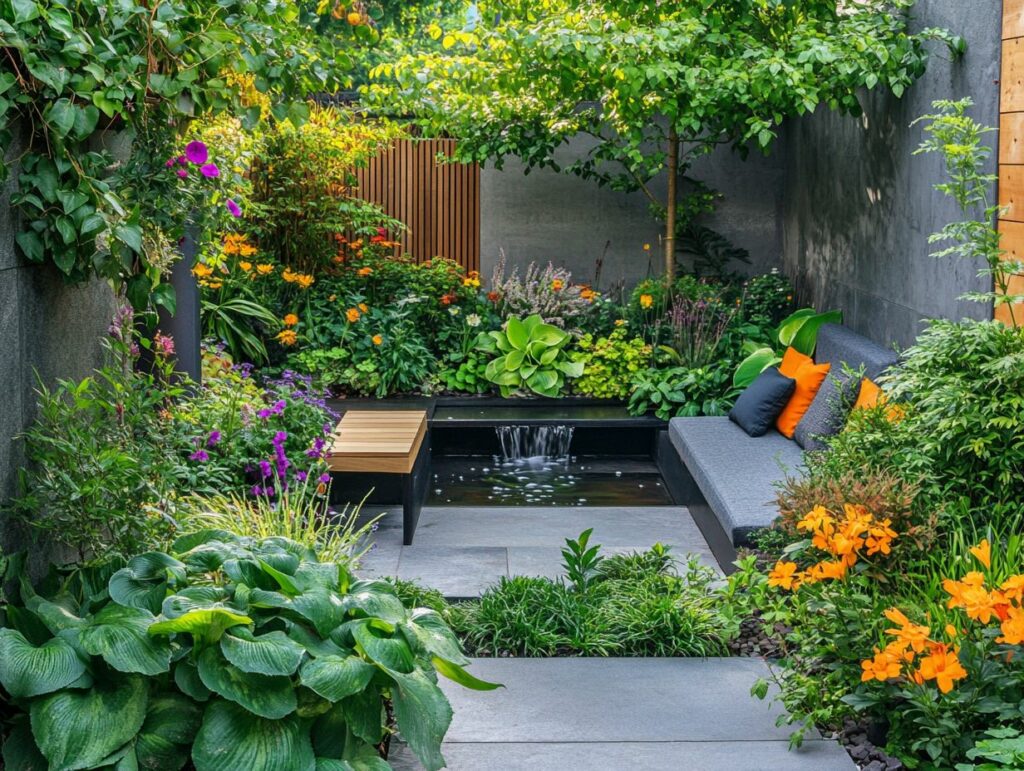
Creative Landscaping Ideas for Small Urban Gardens
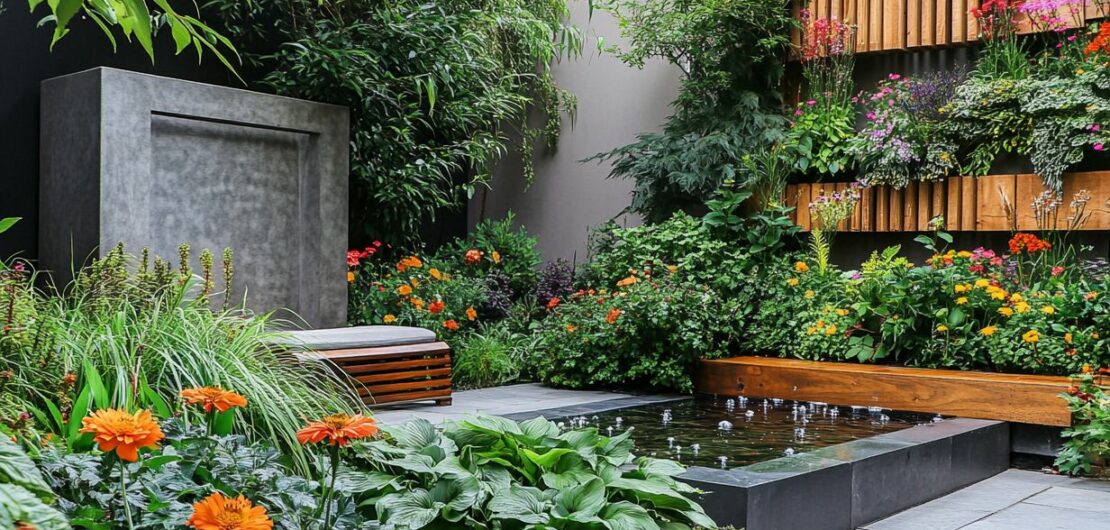
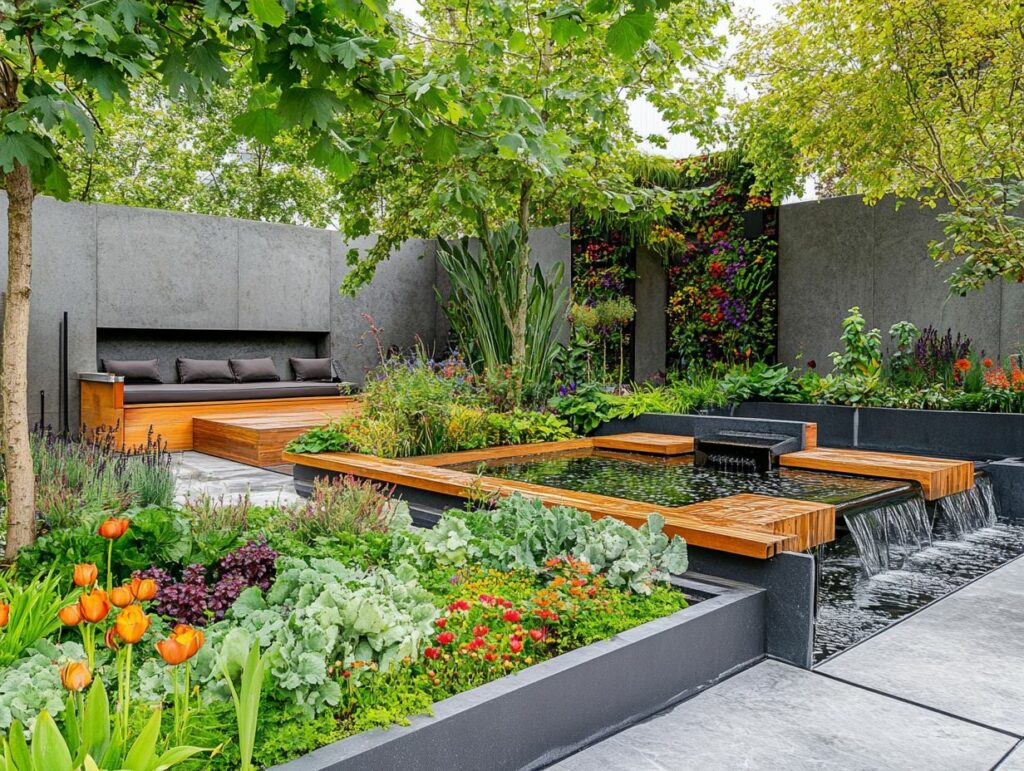
Get creative with your landscaping ideas to transform your small urban garden into a stunning, multifunctional outdoor space. Consider incorporating unique features like pathways, water elements, and cosy seating areas to enhance the garden’s aesthetics and add practical usability.
Using hard landscaping elements can help you define different zones, giving your outdoor space a sense of structure and making it more inviting. You might also consider adding sensory gardens or pollinator-friendly plants to engage all your senses and support local wildlife.
With thoughtful design and creativity, your small garden can be both a beautiful retreat and an ecological haven.
Vertical Gardening
Vertical gardening is a fantastic way to make the most of limited space while adding lush greenery to your environment. Using wall space, you can create stunning green walls filled with diverse plants that beautify your garden, improve air quality, and support local biodiversity. This method is perfect for small urban gardens where every inch counts. Furthermore, vertical gardens open up unique opportunities for creativity, allowing you to experiment with colours, textures, and plant pairings to create an eye-catching outdoor oasis.
This innovative approach to gardening can promote a sense of tranquillity amidst the hustle and bustle of city life. If you embrace vertical gardening, it enhances your surroundings, transforming bland walls into vibrant life displays. Greenery can provide habitats for beneficial insects and birds, helping reinforce ecological balance in urban settings.
Techniques such as hydroponics or modular planter systems allow year-round cultivation, expanding the variety of plants that can thrive even in limited areas.
Vertical gardens beautify urban spaces and encourage self-sufficiency and sustainability, making them valuable to modern living.
Container Gardening
Container gardening is a fantastic option for small spaces. It provides flexibility and portability while allowing you to grow various plants. With the right garden accessories, you can easily create an attractive setup that includes seasonal plants and enhances your garden’s aesthetics.
This method is especially great if you’re in an urban area and wish to grow vegetables, herbs, or ornamental plants without needing a traditional garden bed. You can optimise your gardening efforts by selecting the proper containers and compost and enjoy fresh produce or beautiful blooms outside your door.
One of the best perks of this approach is that it allows you to make the most of limited space, enabling you to create a vibrant, lush garden even on a small balcony or patio. Mixing different sizes, shapes, and materials for your containers can give a unique flair while ensuring excellent drainage and insulation for your plant roots.
It’s wise to consider lightweight options like resin or plastic containers for easy moving, especially if the sun hits different spots throughout the day. Additionally, choosing plants that thrive in containers—such as dwarf varieties or trailing herbs—can add a delightful visual appeal, maximising both functionality and aesthetics in your urban oasis.
Green Walls and Roofs
Green walls and roofs are your ticket to innovative urban greening. They transform concrete jungles into vibrant ecosystems that boost biodiversity and help with climate resilience. These vertical gardens look fantastic and do wonders for reducing urban heat and improving air quality. By incorporating native species into your designs, you can attract urban wildlife and support the local ecosystem.
Additionally, green roofs can provide extra outdoor living space, perfect for relaxing or socialising while enjoying nature. With the right planning and execution, green walls and roofs can enhance the sustainability of urban spaces.
And let’s not forget about the practical perks! When you implement green walls and roofs effectively, you can reduce building energy costs by insulating against those extreme temperatures. Their natural cooling properties mean you’ll rely less on air conditioning, which translates to lower electricity bills.
These green installations also help manage stormwater by soaking up rainfall, reducing runoff, and minimising the risk of flooding in urban areas. Consider the right plant species and structural elements to keep these green spaces thriving long-term.
Ultimately, these sustainable solutions create healthier urban environments, striking a beautiful balance between development and nature.
Maintaining and Caring for Urban Gardens
Maintaining and caring for your urban garden is vital to keeping it healthy and vibrant all year round. Regular maintenance practices, such as checking the soil health and setting up effective irrigation systems, boost plant growth and sustainability.
Adding seasonal plants to your garden looks great and promotes biodiversity by creating habitats for urban wildlife. Additionally, embracing eco-friendly gardening methods, such as composting and mulching, can enhance soil quality and save on water usage.
Remember, a little care goes a long way in turning your urban oasis into a thriving paradise.
Practical Tips for Keeping Your Garden Healthy and Thriving
To keep your urban garden healthy and thriving, use practical tips and techniques that work for your specific space. Regularly checking your plants for pests and diseases can help you catch issues before they balloon into bigger problems.
Regarding watering, find a strategy that gives your plants the hydration they need without drowning them. Using gardening tools made for small spaces can make maintenance a breeze, turning your gardening experience into something delightful. And don’t forget about organic pest control methods; they’ll help create an eco-friendly vibe while letting your garden flourish sustainably.
Consider creating a watering schedule that considers the weather and your plants’ needs. Watering in the early morning or late evening helps reduce evaporation so your soil can hold that precious moisture longer.
Try companion planting to keep pests at bay and boost your soil health naturally. Using mulch can also do wonders for regulating soil temperature and keeping those pesky weeds down, making your maintenance chores much easier.
Choosing the right tools—like hand trowels or ergonomic secateurs—can enhance your game and ensure that your urban gardening efforts yield the best results.
Benefits of Urban Gardening for the Environment
Urban gardening has amazing environmental benefits, especially in crowded areas. When green spaces are integrated into the city, they help reduce the urban heat island effect, enhance air quality, and provide habitats for local wildlife.
Moreover, urban gardening encourages community involvement, giving you and your neighbours a chance to come together and engage in eco-friendly practices that truly make a difference in your neighbourhood. This green infrastructure is crucial for managing stormwater runoff and improving soil health, ultimately helping to create a sustainable urban ecosystem.
Reducing Carbon Footprint and Promoting Biodiversity
One of the biggest perks of urban gardening is its ability to shrink your carbon footprint while boosting biodiversity in your neighbourhood. When you grow your food and use sustainable practices, you can reduce the need for transported goods, which helps lower greenhouse gas emissions. Plus, your urban garden can become a vital habitat for pollinators and other wildlife, enriching urban ecology and creating little biodiversity hotspots. These green spaces make a difference in cities, providing safe havens for various species and enhancing the local ecosystem.
Urban gardens help reduce carbon emissions by reducing long-distance food transport and improving air quality with plants acting as natural air filters. Throw in some composting and rainwater harvesting, and you’re amplifying sustainability by turning waste into valuable resources while minimising water runoff.
By incorporating native plants, you’ll attract diverse insects and birds, support local food webs, and keep the ecosystem in balance. When many adopt these practices, those gardens create interconnected green corridors that offer refuge for wildlife, bridging the gap between urban life and nature.